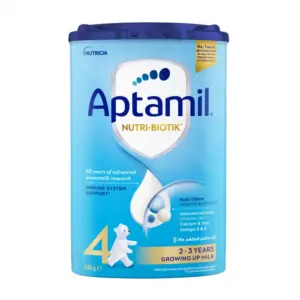
European Baby Formula & Baby Food Statistics
European Baby Formula & Baby Food Statistics: The Data Behind the Global Shift (2024–2025)
Last updated: May 2026
1. Global Baby Formula Market Overview
The infant formula industry is one of the fastest-growing segments in global food and beverage, driven by rising birth rates in developing markets, increasing maternal workforce participation, and growing awareness of specialized nutrition.
| Metric | Value | Source |
|---|---|---|
| Global infant formula market size (2024) | $47.2 billion | GMInsights |
| Projected market size (2034) | $126.5 billion | GMInsights |
| Compound annual growth rate (CAGR) | 10.4% | GMInsights |
| Global infant formula ingredients market (2025) | $38.7 billion | Grand View Research |
Key growth drivers: Rising number of working mothers worldwide (~47% female labor force participation), increased focus on early childhood nutrition, premiumization toward organic/clean-label options, and e-commerce expansion enabling cross-border purchases.
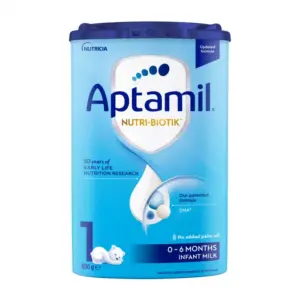
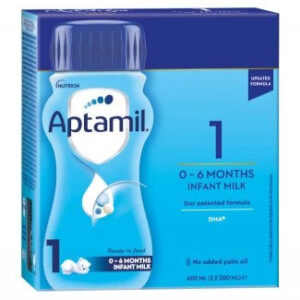
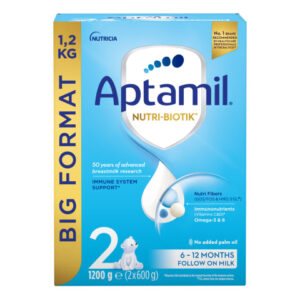
2. The Rise of European Baby Formula in the US
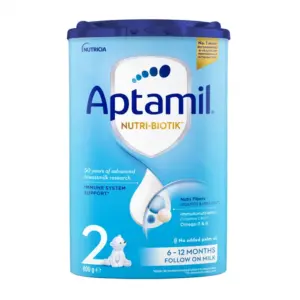
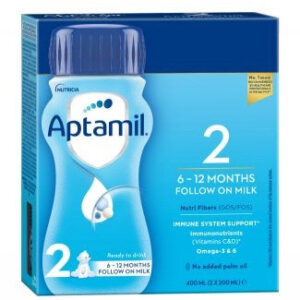
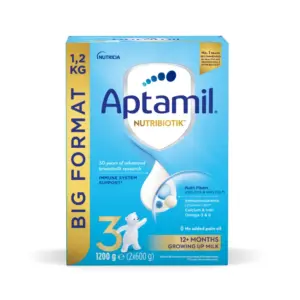
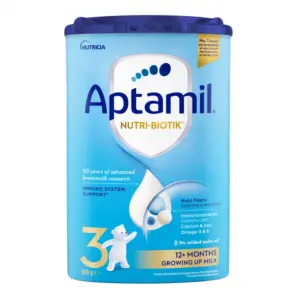
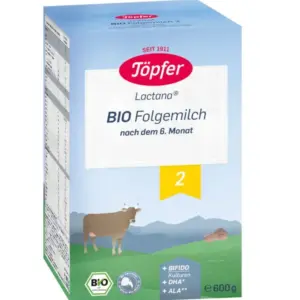
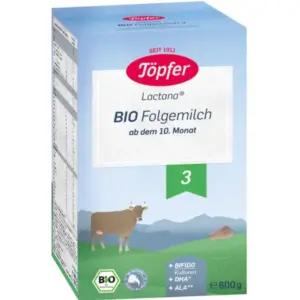
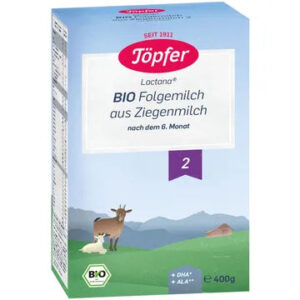
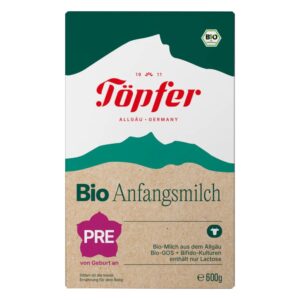
European baby formula imports to the United States have exploded — from ~$150 million in 2020 to $500–600 million in 2024, a 3–4x increase in just four years (CAGR 28–35%).
Brand-Level Growth
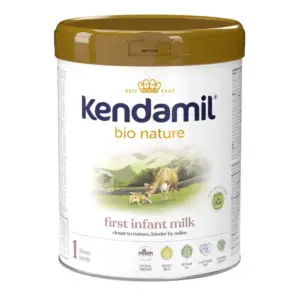
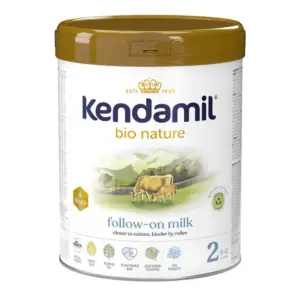
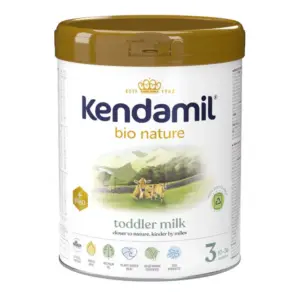
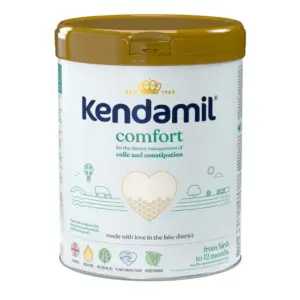
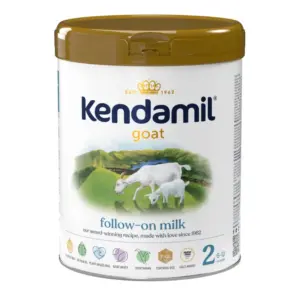
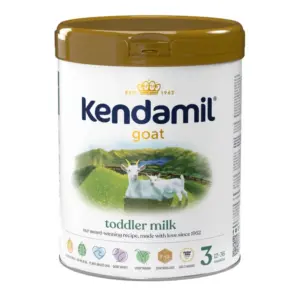
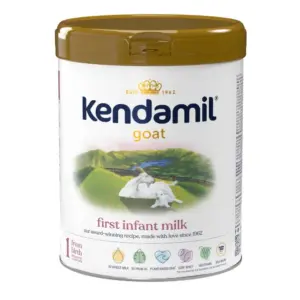
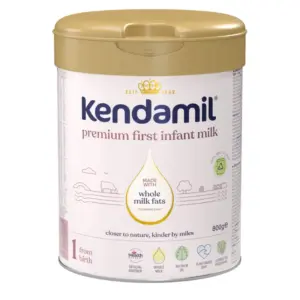
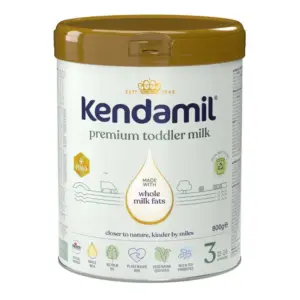
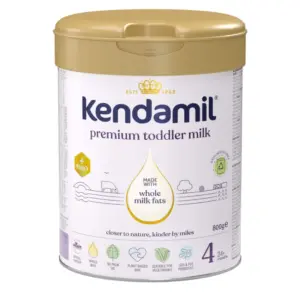
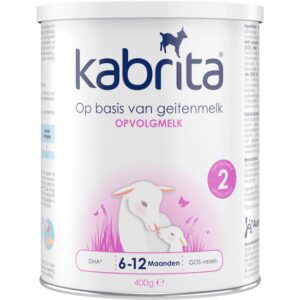
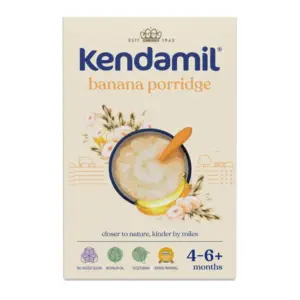
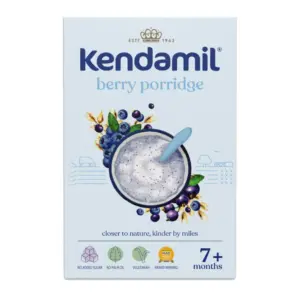
Kendamil (UK): US sales grew 300% between 2022–2024. Now holds ~5% of US formula market. Available in 7,000+ retail locations.
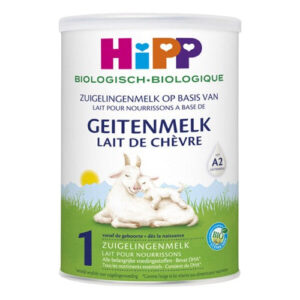
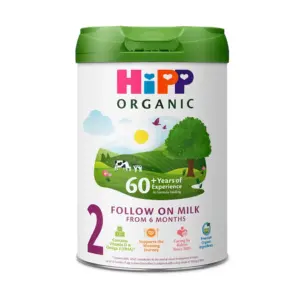
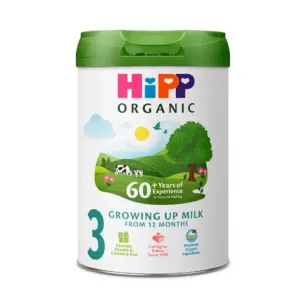
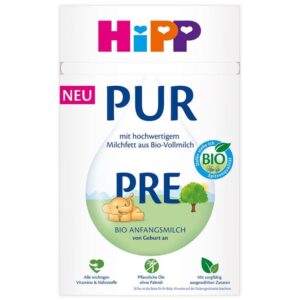
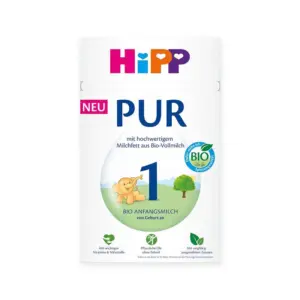
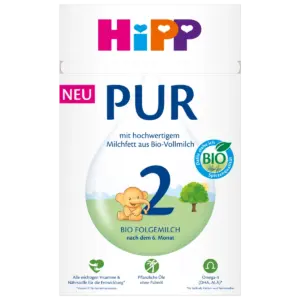
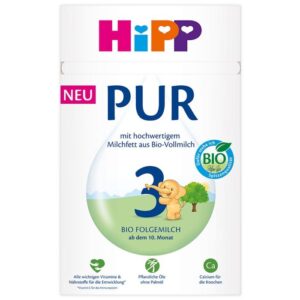
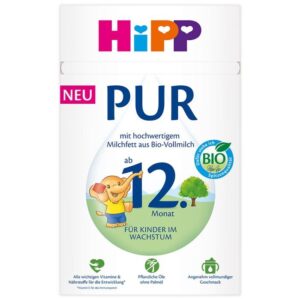
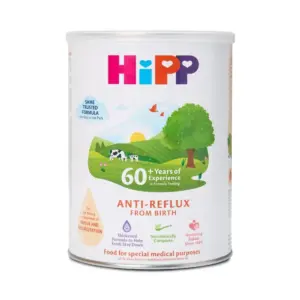
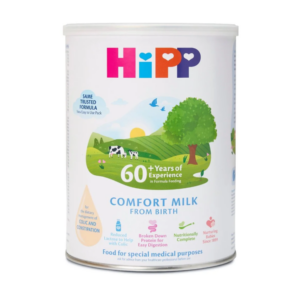
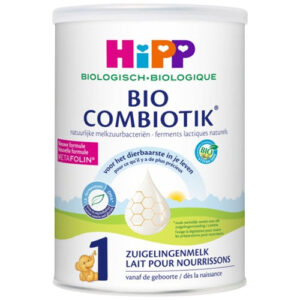
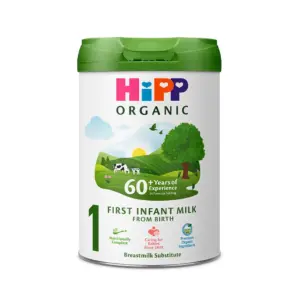
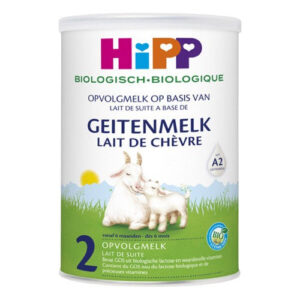
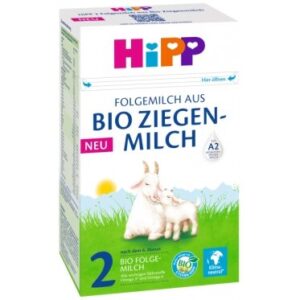
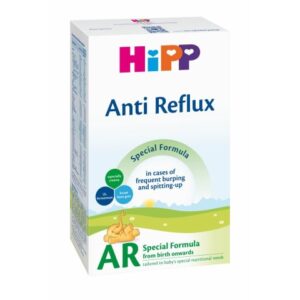
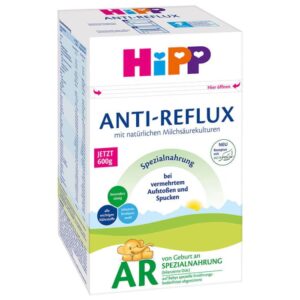
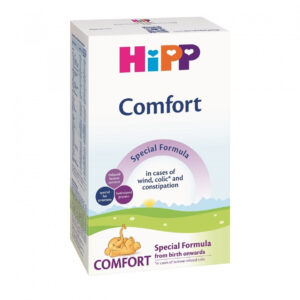
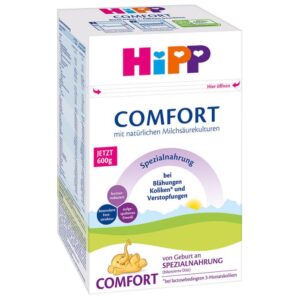
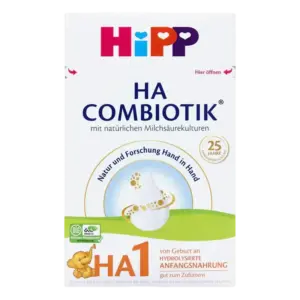
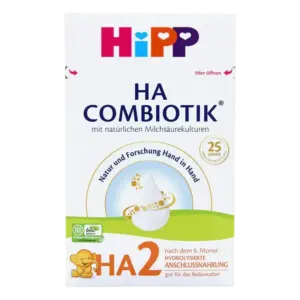
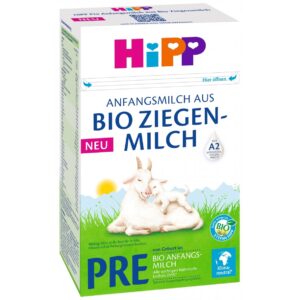
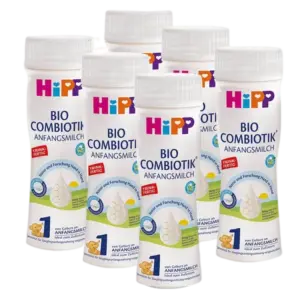
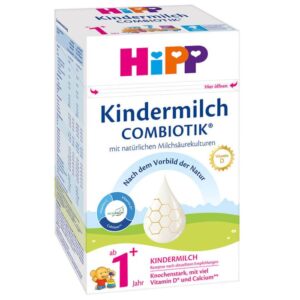
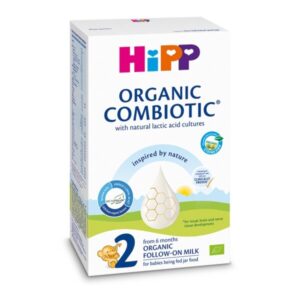
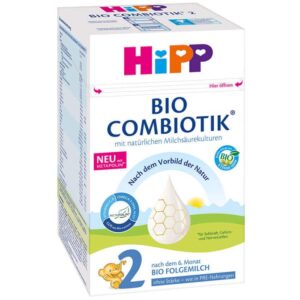
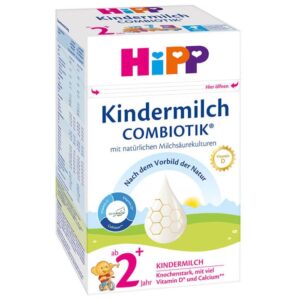
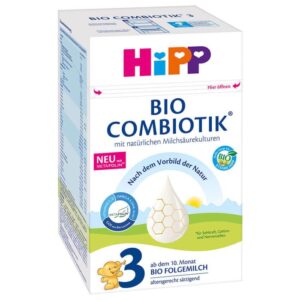
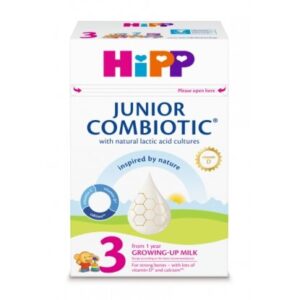
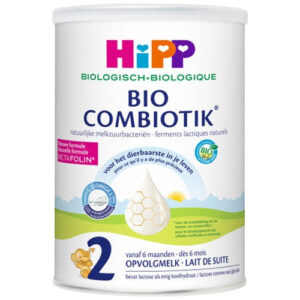
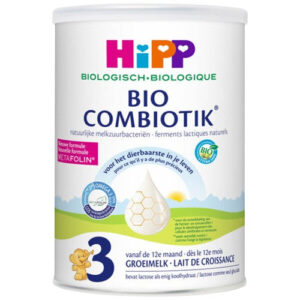
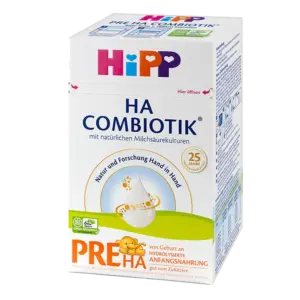
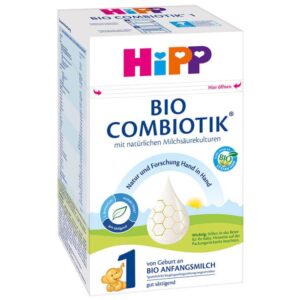
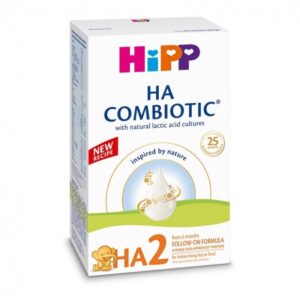
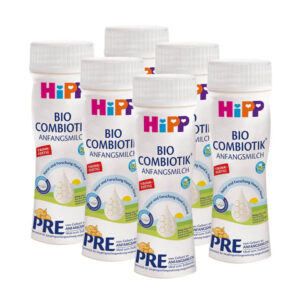
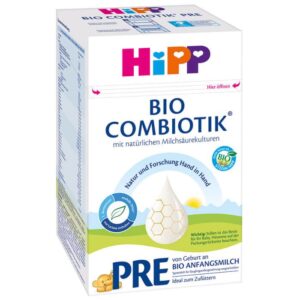
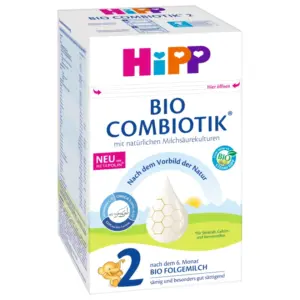
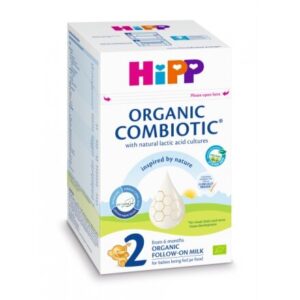
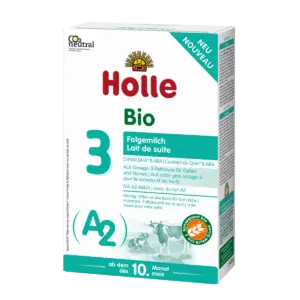
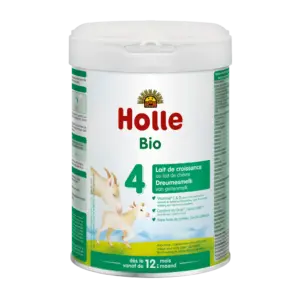
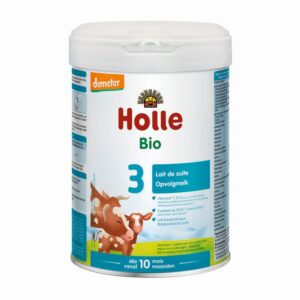
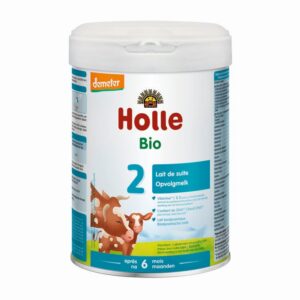
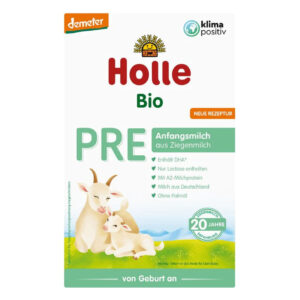
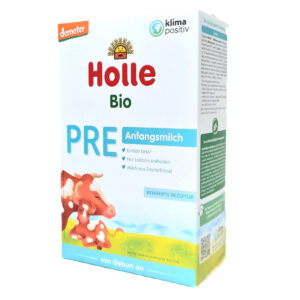
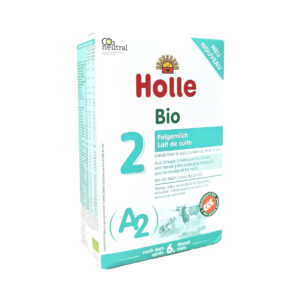
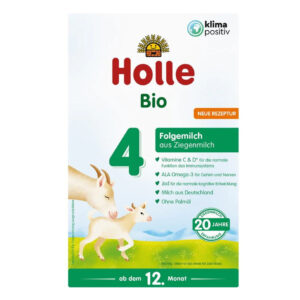
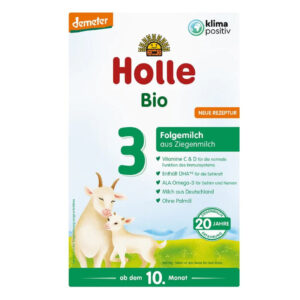
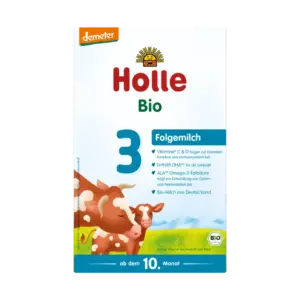
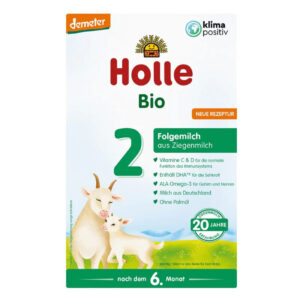
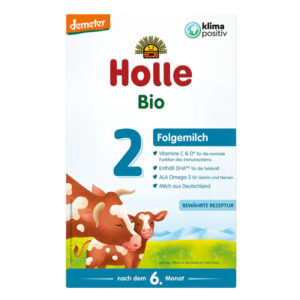
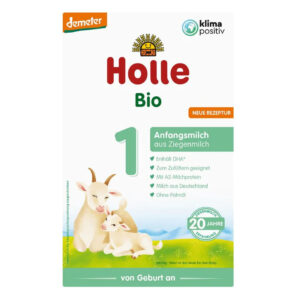
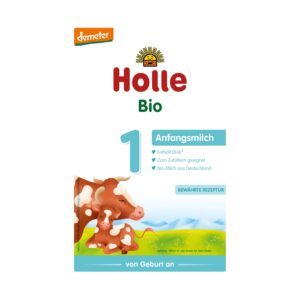
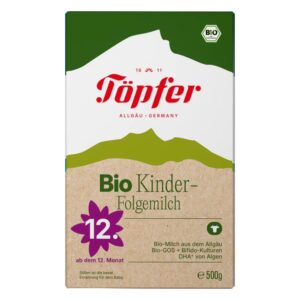
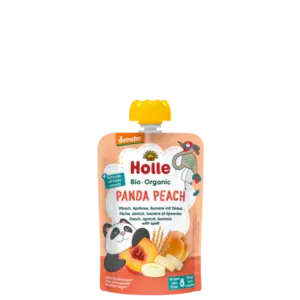
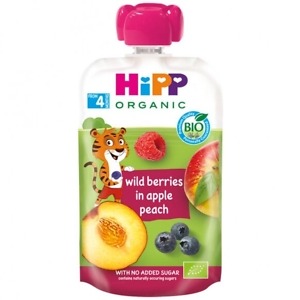
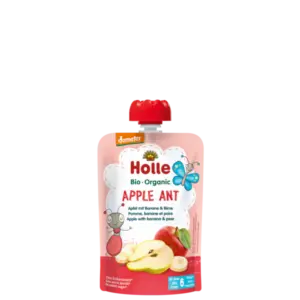
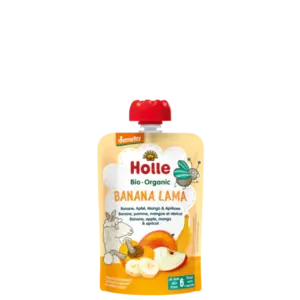
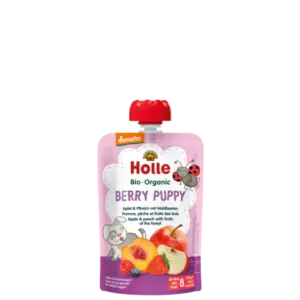
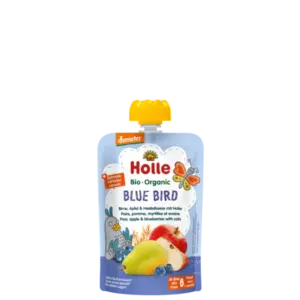
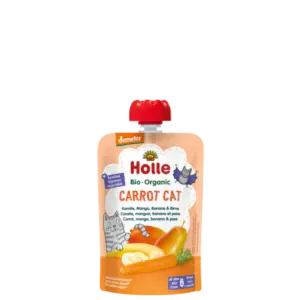
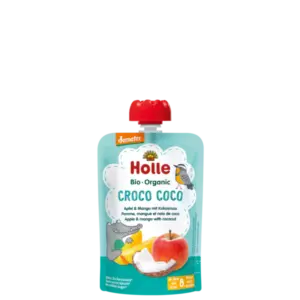
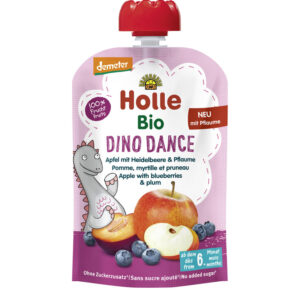
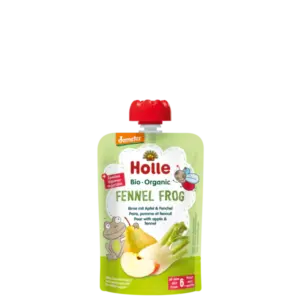
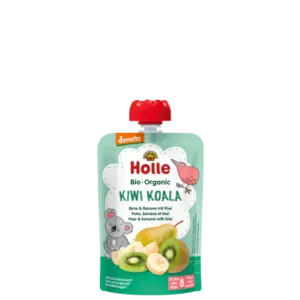
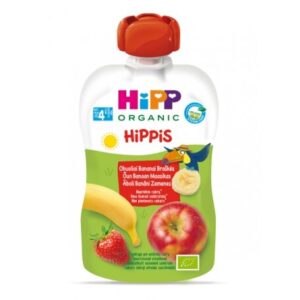
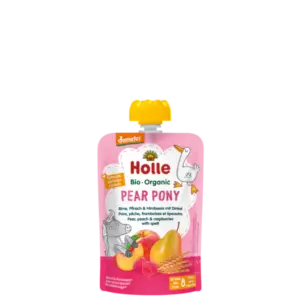
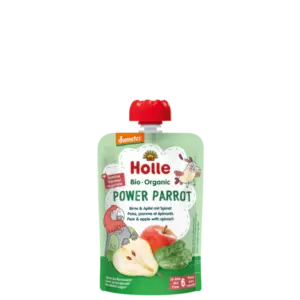
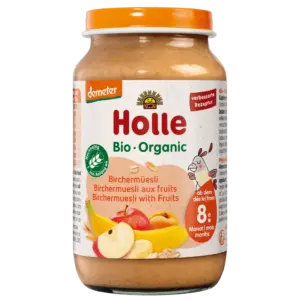
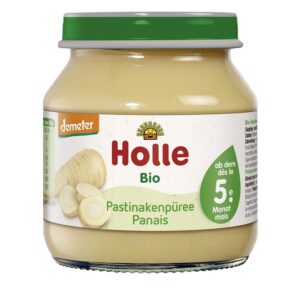
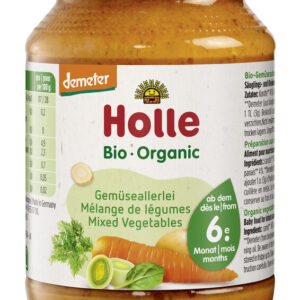
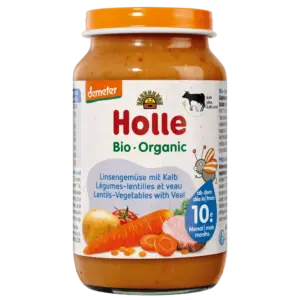
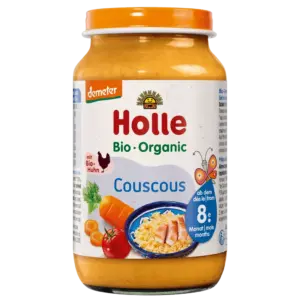
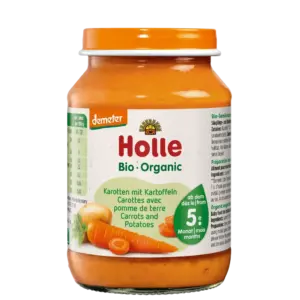
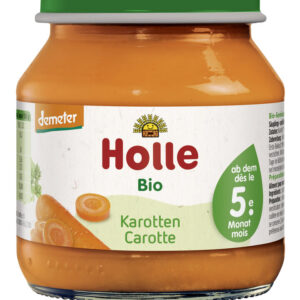
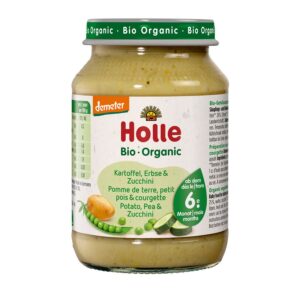
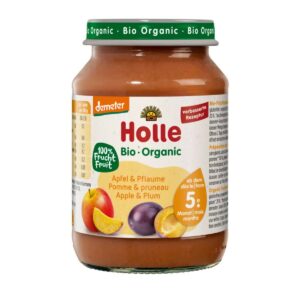
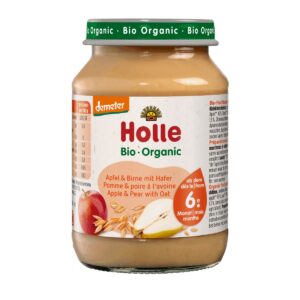
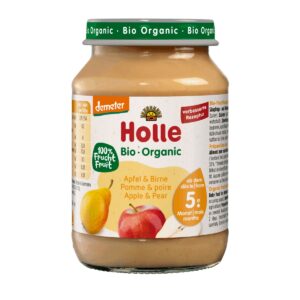
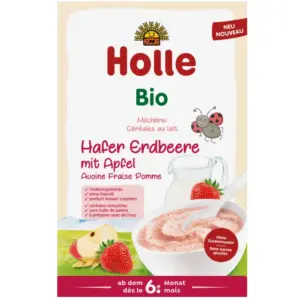
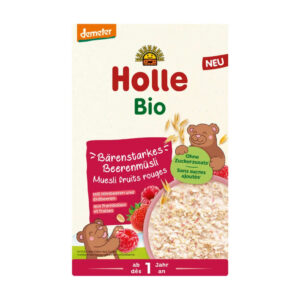
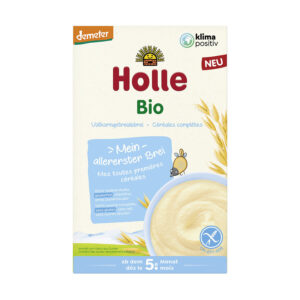
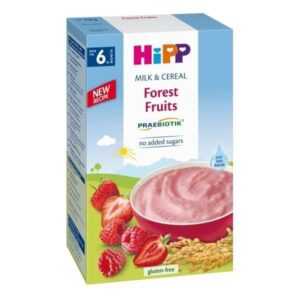
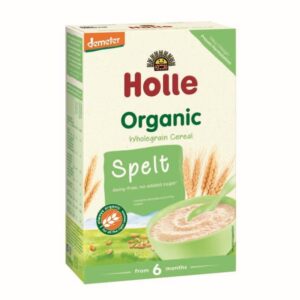
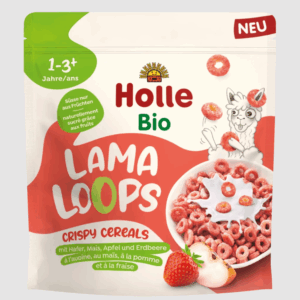
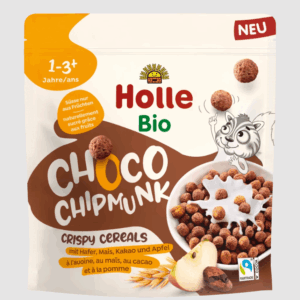
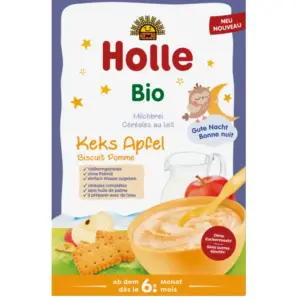
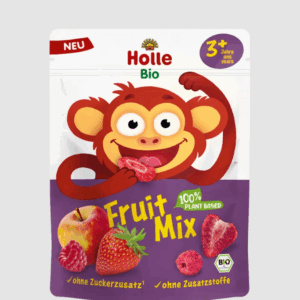
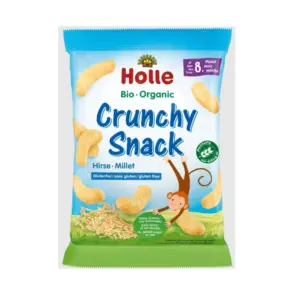
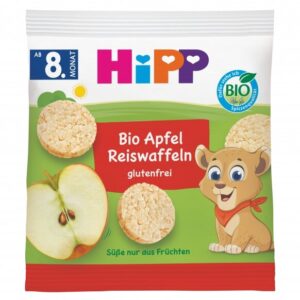
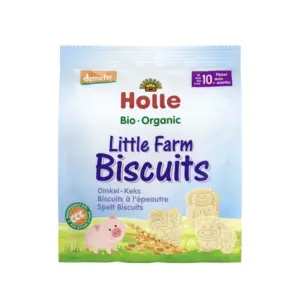
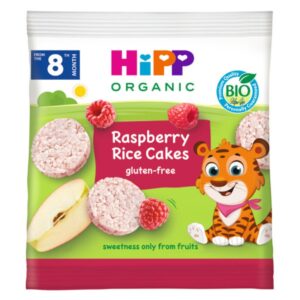
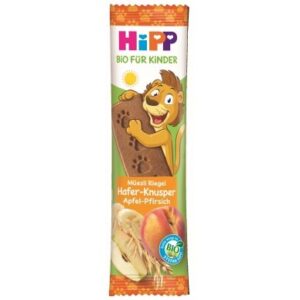
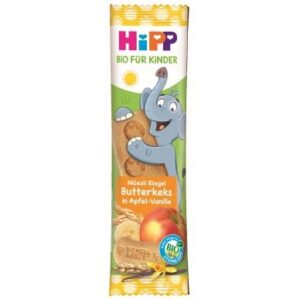
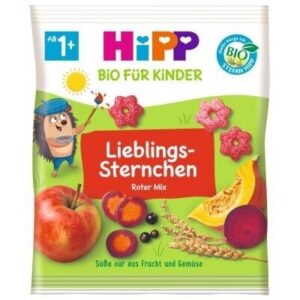
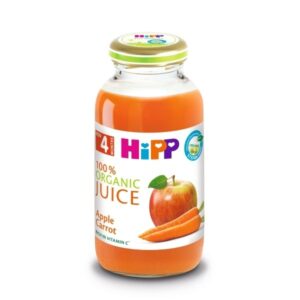
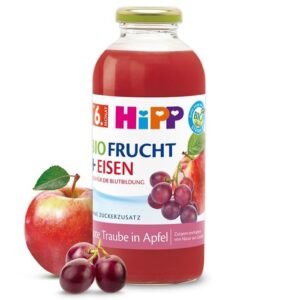
HiPP & Holle (Germany): US sales growing 40–50% year-over-year since 2021. HiPP’s US customer base has tripled since 2020.
Penetration: 5–7% of US formula-buying households now purchase European formula (Nielsen, 2024).
3. EU vs US Regulatory Standards
| Requirement | EU | US (FDA) |
|---|---|---|
| DHA (Omega-3) | Mandatory: 20–50 mg/100 kcal | No mandate; voluntarily 8–17 mg |
| Carrageenan | Banned since 2014 | Allowed |
| Corn syrup / Maltodextrin | Banned as primary carb; lactose mandatory | Widely used — 60%+ of US formulas |
| Sucrose | Banned in standard formula | Allowed |
| GMOs | Mandatory labeling; organic = zero GMOs | Allowed; no labeling mandate |
| Batch testing | Every batch tested before release | Representative samples only |
| Advertising to parents | Prohibited by law | Allowed |
The DHA gap: US infants on standard formula get 40–60% less DHA than breastfed infants. EU-standard formulas match breastmilk levels. (Nutrients, 2022)
4. Organic Baby Food Market Growth
| Market | 2024 | Projected | CAGR |
|---|---|---|---|
| Global organic baby food | $9.6–10.2B | $18–20B by 2032 | 8.5–9.5% |
| US organic baby food | $2.8–3.2B | $5.5–6B by 2030 | 9–10% |
| Europe organic baby food | €3.5–4B | €5.5–6.5B by 2028 | 7–8% |
Organic baby food now accounts for 25–28% of the total US baby food market — up from ~10% a decade ago. Europe accounts for ~48% of global organic baby food sales.
5. What Parents Choose & Why
26–32% of US parents seek organic formula (The Bump / Mintel, 2024)
65% would pay premium for clean-label baby food (Harris Poll, 2024)
74% worry about heavy metals; 41% have switched brands (Consumer Reports, 2023)
93% of European formula buyers switched from a US brand due to ingredient concerns (Structured Mommy, 2023)
87% believe European formulas are safer and healthier
76% would keep buying European even if US reformulated to match
6. Safety & Recalls
The 2022 Abbott recall — 2 infant deaths linked to Cronobacter, over 300,000 tons recalled, 6-month nationwide shortage. Triggered legislation.
EU vs US (2020–2024): US had 50+ formula recalls vs ~25–40 in the smaller EU market. A key difference: the EU requires every production batch to be tested for Cronobacter and Salmonella before release. The FDA does not.
A 2023 Journal of Food Protection analysis estimated that EU-style batch testing could prevent 60–80% of US contamination-related recalls.
7. Clean Label & Generational Shift
A 2021 Congressional report found 95% of tested baby foods contained heavy metals. The “free-from” market has grown 22% annually since 2020.
| Customer groups | Percentage |
|---|---|
| Millennials | 71% |
| Gen Z | 68% |
| Gen X | 52% |
| Boomers | 47% |
Source: NielsenIQ, 2024
8. Sources & Methodology
All statistics on this page are sourced from publicly available market research reports, government data, peer-reviewed studies, and verified industry surveys. Data is updated quarterly.
Primary Sources
GMInsights — Global Infant Formula Market Report, 2024
Grand View Research — Infant Formula Ingredients Market, 2024
IBISWorld — Baby Food Manufacturing in the US, 2024
Packaged Facts — Baby Food & Formula Market Outlook, 2024
Mintel — Baby Food and Formula: US Consumer Report, 2024
Statista — Baby Formula Market Worldwide, 2024
Ecovia Intelligence — Global Organic Baby Food Market, 2024
US Census Bureau — USA Trade Online (Baby Formula Import Data)
Structured Mommy — European Baby Formula Survey, 2023 (N=1,700)
The Bump / What to Expect — Baby Formula Parent Survey, 2024
BabyCenter — Formula Feeding Survey, 2023
Consumer Reports — Heavy Metals in Baby Food Survey, 2023
Harris Poll / Once Upon a Farm — Clean Label Baby Food Survey, 2024
FDA — Investigation of Cronobacter Infections (2022)
European Commission — EU Rapid Alert System for Food and Feed (RASFF)
Environmental Working Group (EWG) — Baby Formula Ingredient Analysis, 2024
World Health Organization — Guidance on Sugars Intake for Infants
European Food Safety Authority (EFSA) — DHA Recommendations for Infants
Methodology
Market size figures represent consensus estimates across multiple research firms. Where exact figures vary between sources, a range is provided. Survey data is self-reported and subject to sampling methodology — sample sizes are noted where available.
This page is updated quarterly. Last revision: May 2026. Spot an outdated number? Contact us.